Menopause Acupressure Points & Meridians
A quick-reference companion to the Menopause Symptom Check — where each point lives, how to press it, and which meridian it belongs to.
The five meridians behind the routine
In TCM, menopause is understood as a shift in Kidney energy. Your personalized guide draws on these channels:
The points
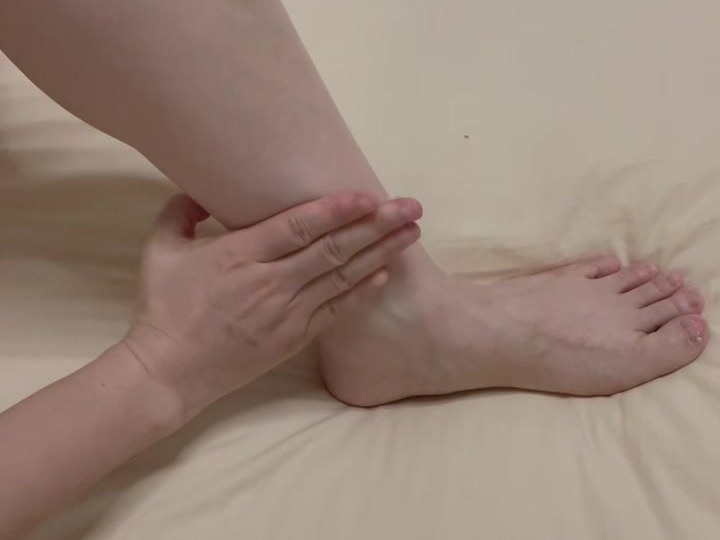 Tap photo to enlarge · SP6 press position — inner lower leg
Where: Four finger-widths above the inner ankle bone, just behind the shin.
How: Firm thumb pressure, 60–90s per leg, both sides.
Why it's used: The crossroads of the Spleen, Liver and Kidney meridians — the single most-used point for women's hormonal balance, hot flushes, sleep and mood.
hot flushessleepmoodbladdervaginal dryness
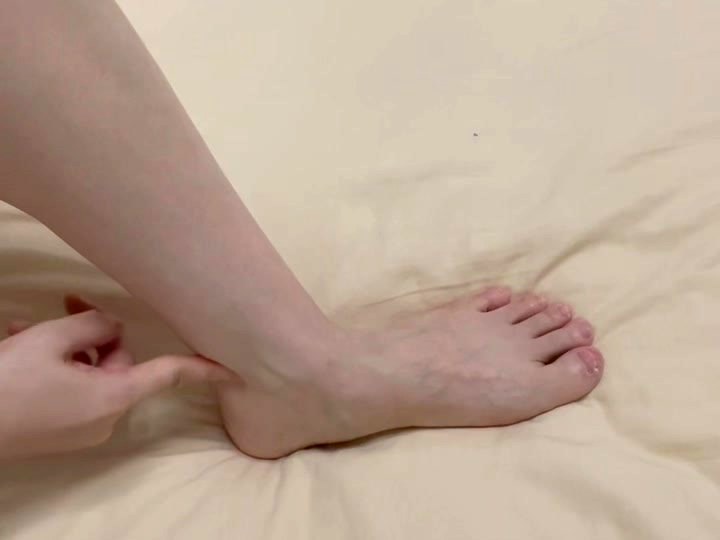 Tap photo to enlarge · KI3 press position — inner ankle hollow
Where: In the hollow on the inner ankle, between the inner ankle bone and the Achilles tendon.
How: Firm finger pressure, 60–90s per ankle, both sides.
Why it's used: Source point of the Kidney meridian — nourishes Kidney Yin (the "cooling" energy) to ease hot flushes, night sweats, fatigue and palpitations.
hot flushesheart discomfortfatiguevaginal dryness
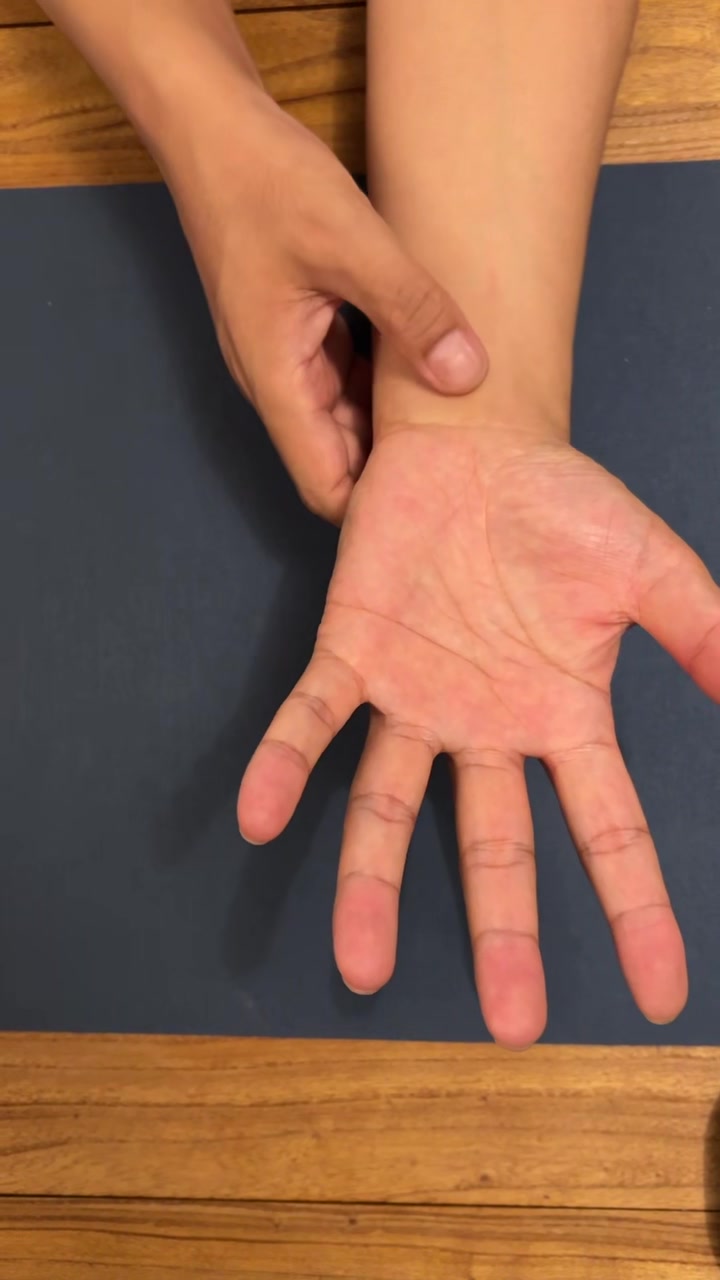 Tap photo to enlarge · HT7 press position — inner wrist
Where: On the inner wrist crease, little-finger side, in the small hollow.
How: Gentle pressure, 60s per wrist; best before bed.
Why it's used: The primary point to calm the spirit — eases insomnia, racing thoughts, anxiety and palpitations.
sleepanxietyheart discomfort
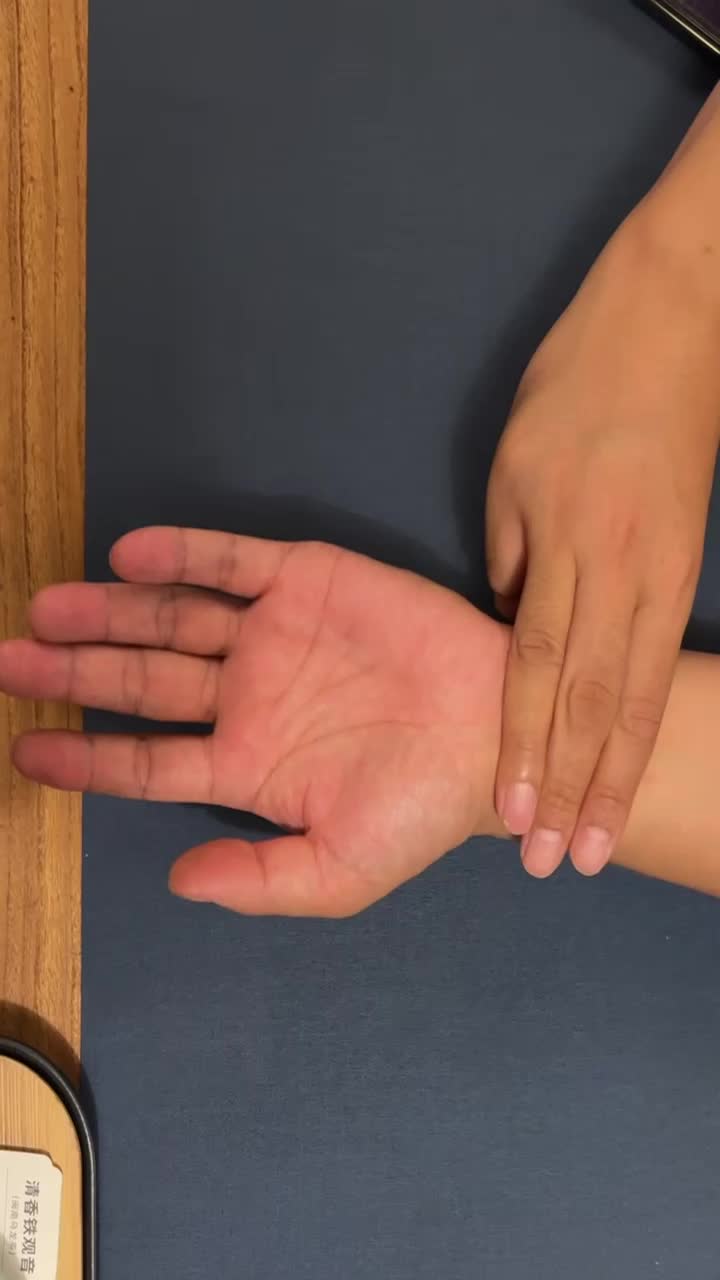 Tap photo to enlarge · PC6 press position — inner forearm
Where: Three finger-widths above the inner wrist crease, between the two central tendons.
How: Moderate pressure, 60–90s per wrist, breathing slowly.
Why it's used: Calms anxiety, emotional turbulence and palpitations; supports the autonomic balance behind hot flushes.
heart discomfortanxietyirritabilitysleep
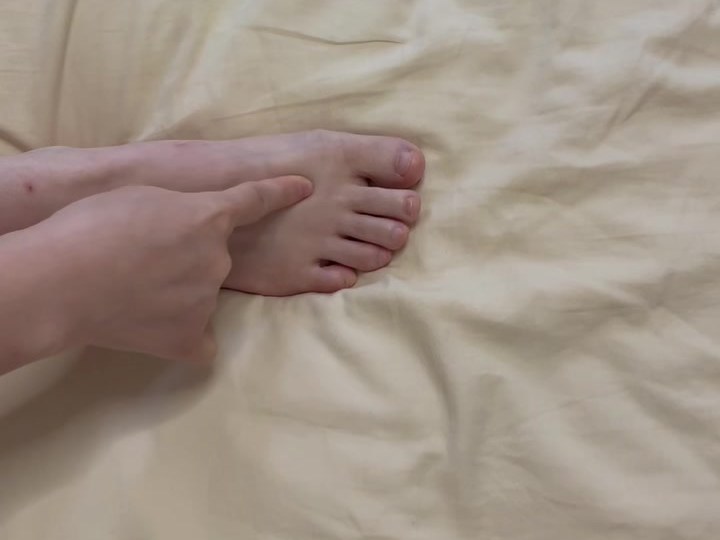 Tap photo to enlarge · LR3 press position — top of foot
Where: On top of the foot, in the web between the big toe and second toe, ~2 finger-widths back.
How: Firm pressure, 1–2 min per foot; often tender.
Why it's used: Moves stagnant Liver Qi — the go-to for irritability, frustration and mood swings; also used during a hot flush.
irritabilityanxietyhot flushes
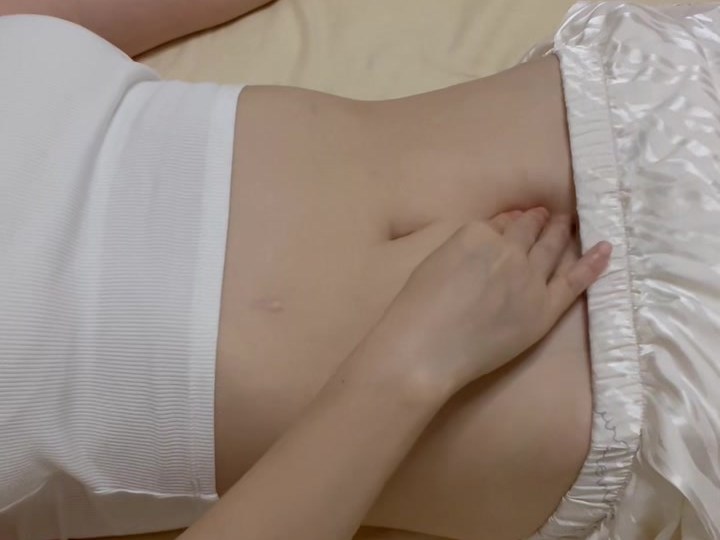 Tap photo to enlarge · CV4 press position — lower abdomen
Where: Lower abdomen, ~three finger-widths below the navel.
How: Lie down; gentle sustained pressure with 2–3 fingers, 1–2 min, breathing deeply.
Why it's used: Strengthens the body's foundation — supports energy, low libido and urogenital comfort.
fatiguesexual comfortbladdervaginal dryness
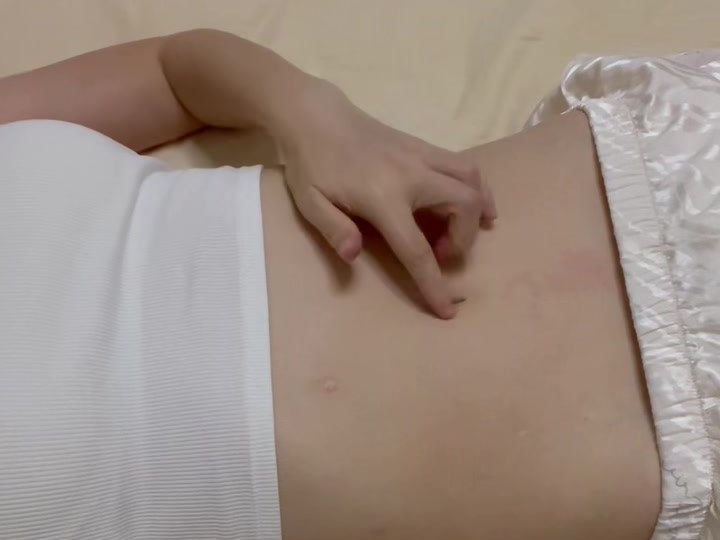 Tap photo to enlarge · CV6 press position — lower abdomen
Where: Lower abdomen, ~two finger-widths below the navel.
How: Gentle circular pressure, 1–2 min.
Why it's used: Tonifies Qi (vital energy) — helps with the fatigue and low reserve common in this transition.
fatigue
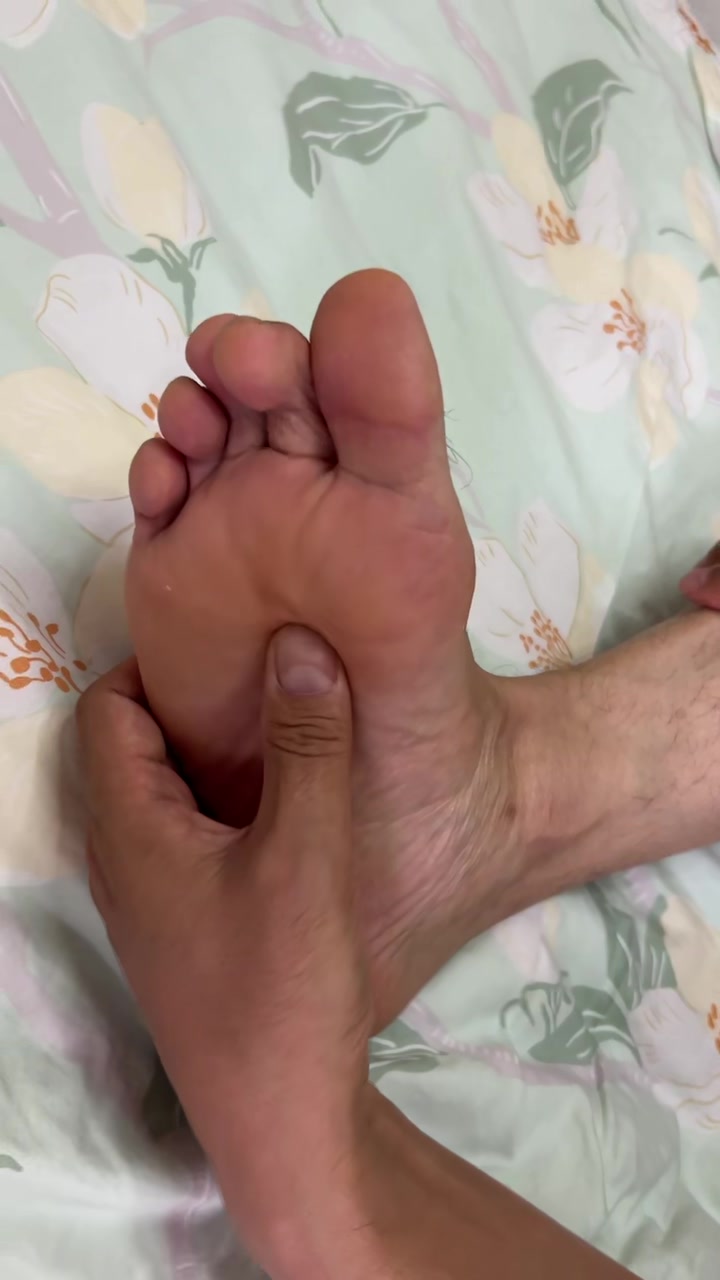 Tap photo to enlarge · KI1 press position — sole of foot
Where: On the sole of the foot, in the depression just forward of the heel.
How: Firm pressure in the evening, 1–2 min per foot.
Why it's used: Draws rising heat downward — traditionally used to cool night-time hot flushes and settle sleep.
hot flushessleep
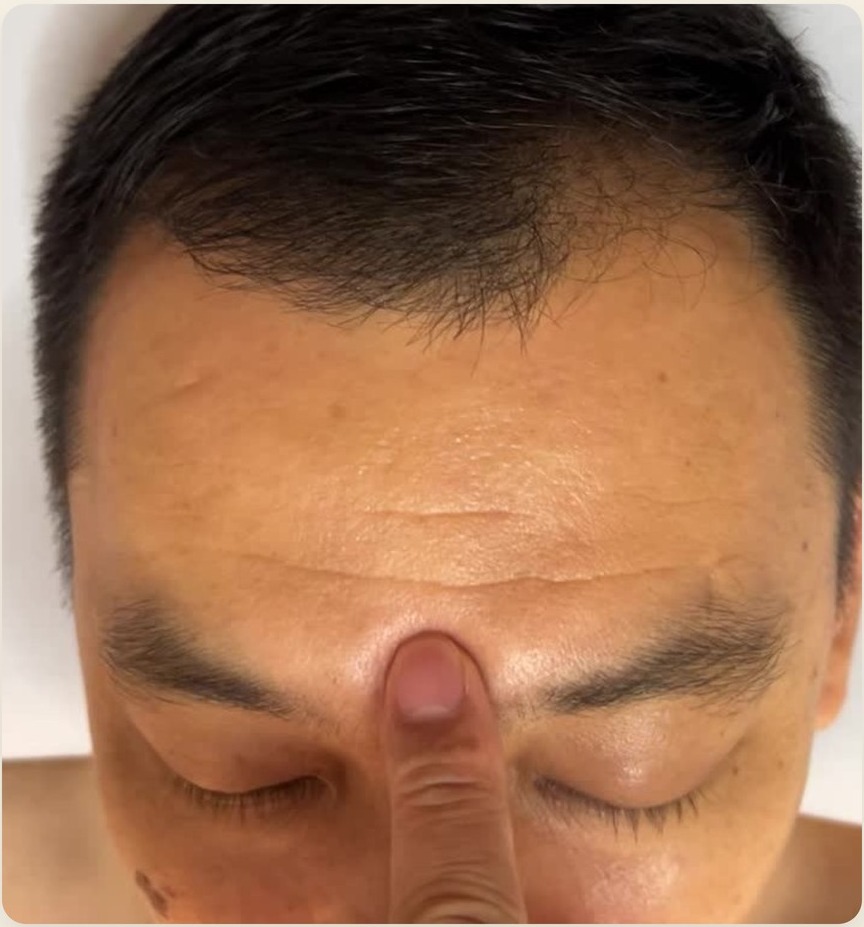 Tap photo to enlarge · Yintang press position — between the eyebrows
Where: Midpoint between the eyebrows.
How: Light sustained pressure with one fingertip, 60–90s, breathing slowly.
Why it's used: Quickly settles a racing mind and anxiety in the moment.
sleepanxiety
A simple daily rhythm
When to press what
- Morning (~5 min): KI3 + SP6 + LR3 — supports hormonal balance and steadier energy.
- Bedtime (~5–7 min): HT7 + PC6 + Yintang — settles a racing mind and supports sleep.
- During a hot flush: firm pressure on LR3 + KI3 may help it peak and pass.
Technique adapted from Acupressure Canada's perimenopause protocols — a traditional-practice reference, not a clinical guideline.
Important: This guide is for self-awareness and traditional self-care only. It does not diagnose menopause or any condition and is not a substitute for medical advice. Acupressure is presented here to support everyday comfort — not as a cure, a treatment, or a replacement for medical care. Consult a healthcare professional for heavy bleeding, symptoms that disrupt daily life, or any concern.
- Point & meridian references: Acupressure Canada (acupressure.ca), TCM practitioner guides — traditional-practice sources.
- Meridian framework: standard Traditional Chinese Medicine channel theory (Kidney, Liver, Spleen, Heart/Pericardium, Conception Vessel).
- Note: point–symptom associations reflect traditional use and practitioner consensus, not clinical trial outcomes.