Ear Seeds Are Everywhere. Here's Where Those Points Actually Are.
Ear seeds — tiny seeds or beads on adhesive tape — have become the wellness world's favorite accessory. You don't strictly need them: the same points on your ear respond to firm fingertip pressure. Here are the two most-pressed ones, with real photos.
What ear seeds are, in one paragraph
An ear seed is a small seed (often vaccaria) or metal bead stuck on the ear with adhesive, resting on an auricular point. In traditional East Asian practice, pressing these points is used to nudge the body toward balance — a practice called auricular acupressure. The seed keeps gentle, constant pressure on the point; your finger can do the same job in shorter sessions. Neither is a medical device, and neither replaces care from a professional.
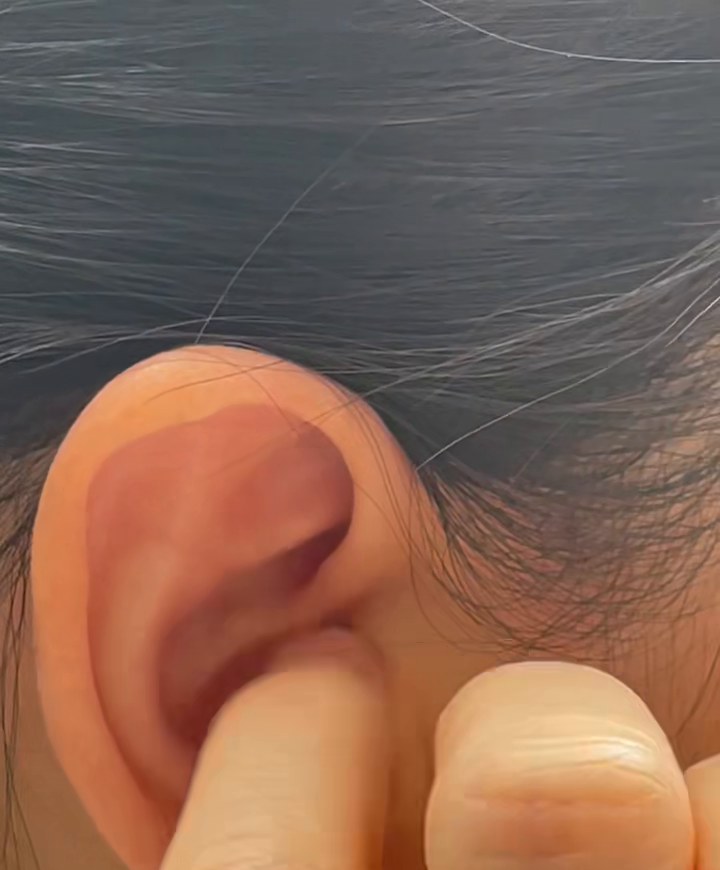
Shenmen means "spirit gate," and in traditional practice it's the go-to calming point of the ear — traditionally used when the mind won't settle. Find the hollow near the top of your ear's inner fold.
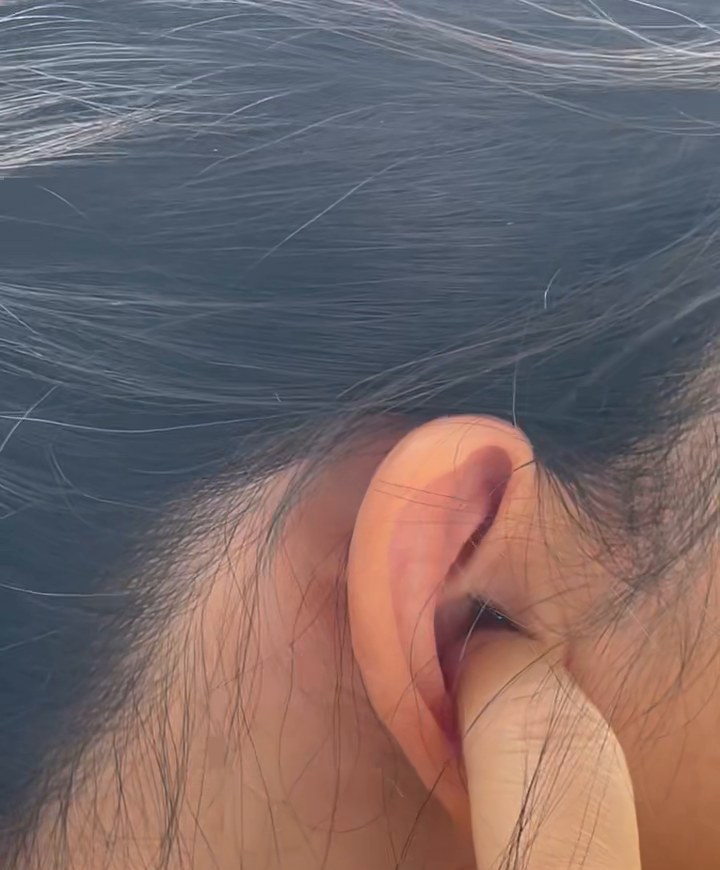
In traditional auricular charts, this point is associated with the body's hormonal system — which is exactly why it shows up in conversations about the menopause transition. The name tells you what tradition connects it to; it is not a hormone treatment of any kind.
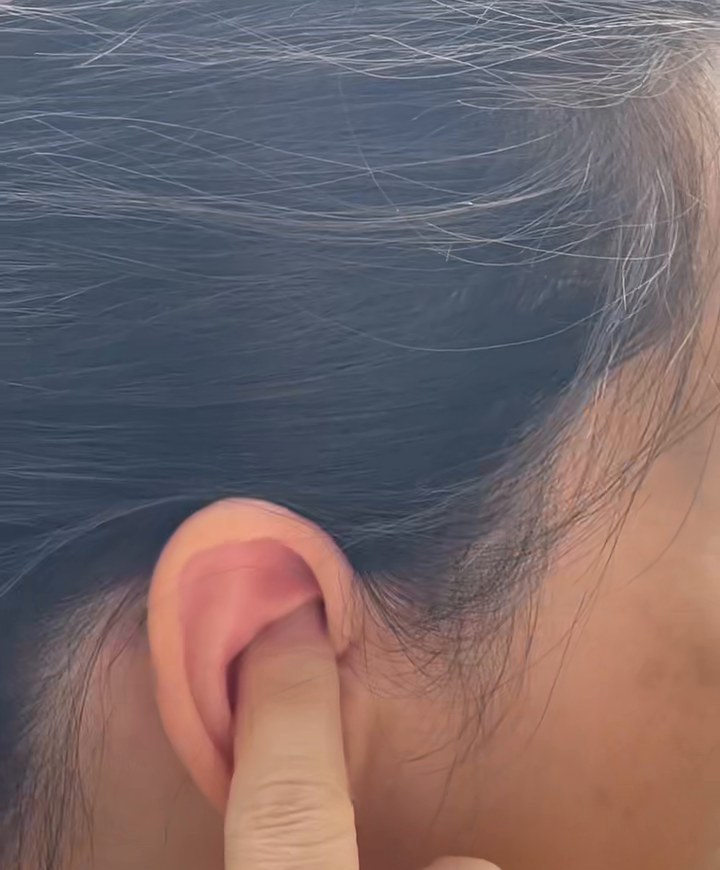
This is what a finger press looks like from the side — you're aiming for a distinct, slightly tender spot. "Slightly tender" is the sign you're on it; sharp pain means back off.
Seeds or fingers — which one?
- Seeds: constant low-grade pressure for days at a time. Handy, but they fall off, and the adhesive can irritate sensitive skin.
- Fingers: short intentional sessions, no supplies, no adhesive. Easier to build into a morning and bedtime rhythm.
- Both follow the same map. Start with fingers; if you enjoy the routine, seeds are an optional add-on, not a requirement.
Common questions
- Do ear seeds hurt?
- They shouldn't. Expect a dull, tender awareness under the seed or fingertip — never sharp pain.
- How long until I notice anything?
- There's no honest single answer. This is a traditional comfort practice, not a fast-acting remedy — think of it as a daily rhythm, not a switch.
- Can ear seeds help my hot flushes / sleep / mood?
- We won't make that promise. The points above are traditionally used for calming and hormonal balance in East Asian practice, and some people enjoy them as part of self-care. If symptoms disrupt your life, that's a conversation for a clinician — hormone therapy remains a legitimate first-line medical option to discuss with your doctor.
- Is this the same as acupuncture?
- No needles here. Auricular acupressure is surface pressure only — seeds rest on the skin, fingers press it.
Safety notes
- Pregnant or breastfeeding? Check with your clinician before adding any new point-pressing routine.
- Remove seeds and stop pressing if the skin gets sore, red, or itchy — adhesive irritation is the most common complaint.
- Don't use seeds over broken skin, and don't share seeds between people.
- This is self-care, not medical care. It does not diagnose, and it does not replace professional advice — for menopause symptoms or anything else.
Instant PDF + 5 demonstration videos · secure checkout via Dodo Payments · 14-day guarantee: try the first point, email one sentence, full refund minus processing fee